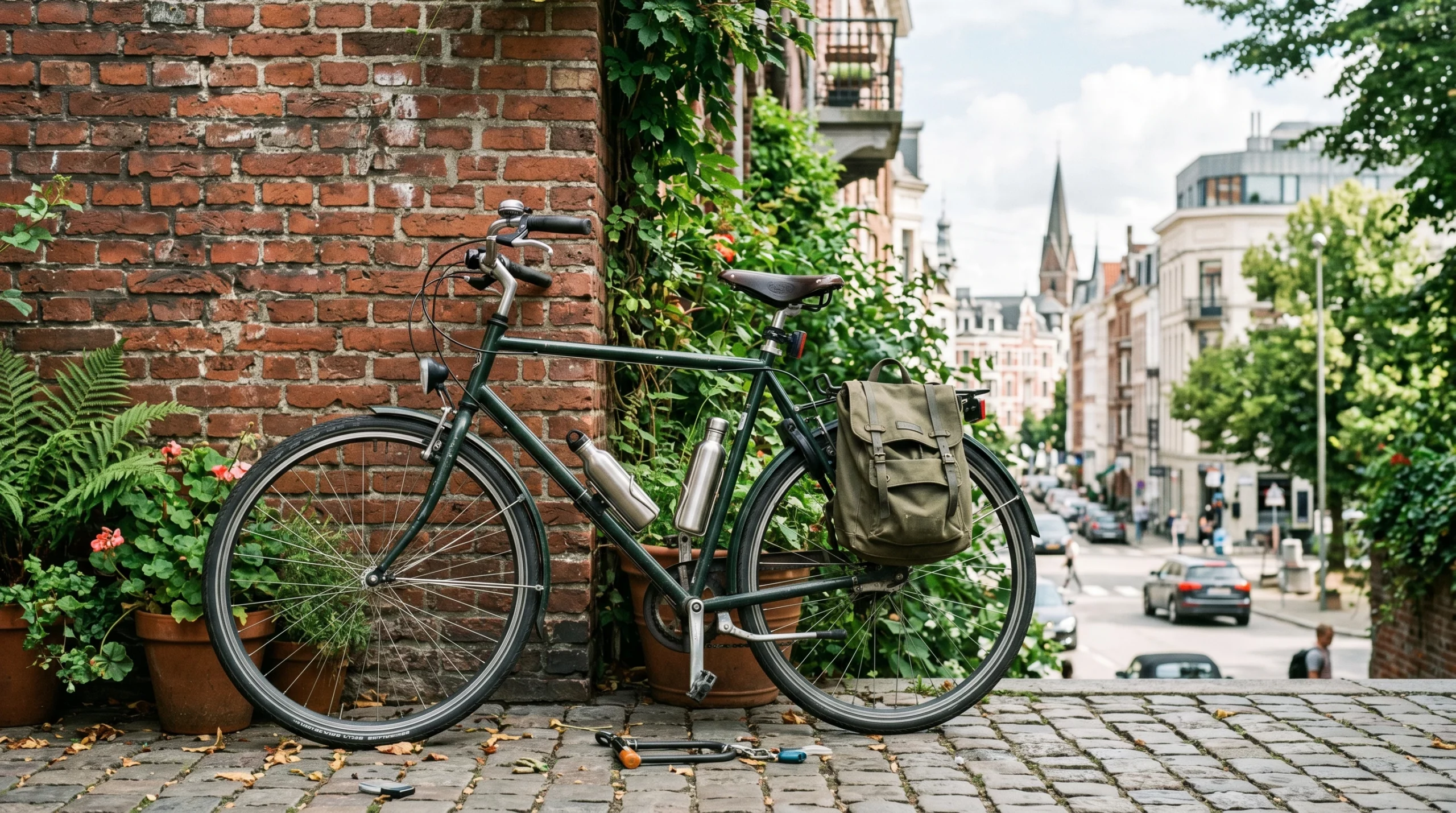
Bicycles stand out as one of the most simple and versatile ways to get around, especially in a crowded city. In urban life, a bicycle is more than just a way to travel—it’s your key to freedom when blackouts, natural disasters, or transit shutdowns hit. I’ll share my first-hand tips on why I always keep a bicycle ready and show you how yours can become your best urban survival tool.
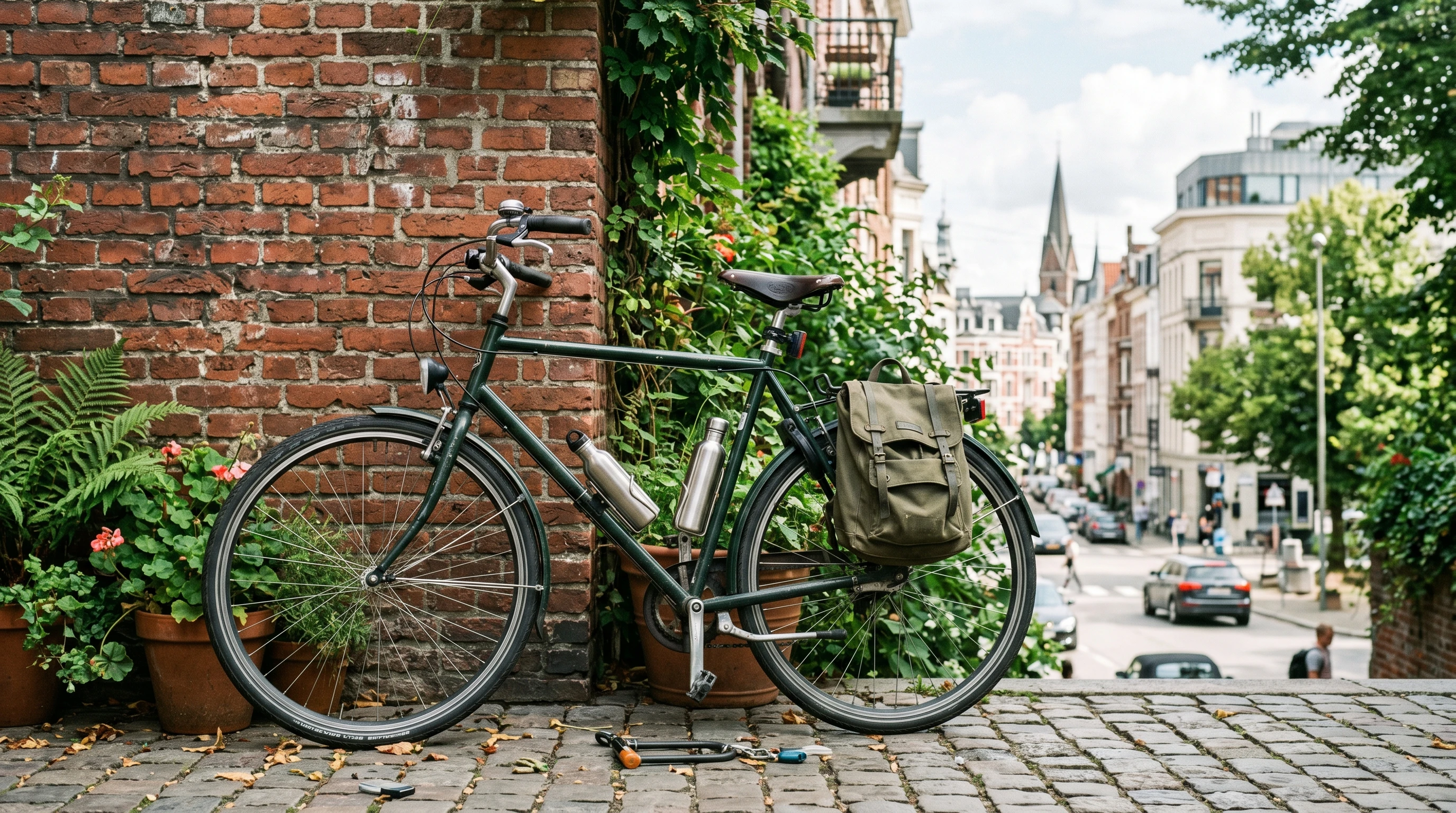
Why Bicycles Work So Well in Urban Survival Scenarios
Bikes are incredibly handy for moving through cities when things go wrong. During power outages, roadblocks, or paralyzing traffic, you can zip past the chaos with ease. Bicycles don’t need gas, park just about anywhere, and aren’t tied to electricity. From my own experience living in a city with constant transit delays and road projects, my bike has rescued me more times than I remember.
Urban folks might not realize how tough bikes can be when things fall apart. After Hurricane Sandy battered New York, thousands relied on bikes after subways stopped running. All those new city bikers proved that when nearly everything else grinds to a halt, a good bike keeps you on the move.
Getting Started With Urban Survival Biking
Picking the right bicycle is a good first move. No need to spring for a racing bike—a steady, sturdy commuter or hybrid normally fits the bill. Look for brakes you can trust, basic gears, and a tough frame. Wide tires and solid suspension help on rough streets or curbs, though they’re not mandatory.
Here are a few terms you should get to know:
- Singlespeed: These bikes are straightforward. With fewer gears, there’s less that can break. They’re perfect if you ride mainly on flat roads.
- Hybrid bike: Blending the tough build of a mountain bike with the speed of a road bike, hybrids shine on a mix of city surfaces.
- Fenders and racks: Fenders help keep you dry, while racks let you tote everything from weekly groceries to last-minute emergency gear.
Confidence comes with practice. After a month of city commuting, fixing a flat or taking back streets became second nature. Whether you’re new to biking or a seasoned rider, hands-on experience makes you more ready for the unexpected.
Preparation: Setting Up Your Bicycle for Urban Survival
- Basic Bike Maintenance: Get comfortable fixing flats, lubing your chain, and checking your brakes. Keep a mini pump, patch kit, and multitool handy.
- Lighting and Visibility: A solid headlight and taillight are must-haves. I’ve had to pedal through complete city blackouts—trust me, lights are about safety, not just convenience.
- Cargo Options: Add a basket, pannier, or rack. Mine carries water, snacks, a rain jacket, and basic supplies. Extra carrying space is a huge advantage if you need to move more items or help friends out.
- Comfort and Security: Adjust your saddle for comfort, and pick a lock you can trust and use fast. You don’t want a sore seat or stolen ride slowing you down when everyone’s stressed.
- Urban Gear: Stash a spare tube, first-aid kit, city map, and portable charger in your kit. Riding your routes ahead of emergencies lets you know which shortcuts really work.
Points to Remember Before Depending on Your Bike
- Storage and Access: In small apartments, keeping your bike by the door and a toolkit within reach lets you get rolling fast.
- Physical Limits: Hauling supplies or riding longer distances during hot or stormy weather is demanding. Training in advance, including riding with loaded bags, helps a lot.
- Navigation Basics: City layouts can get confusing, especially if your usual landmarks disappear. Print or download offline maps—your phone might not work if the power drops.
- Street Hazards: Broken glass and debris show up fast in emergencies. Try punctureresistant tires and keep your eyes peeled to stay safer on rougher routes.
- Bike Security: Theft goes up during shortages. Two different locks and hidden, easy-to-reach storage reduce your risk significantly.
Maintenance: Consistency Counts
A neglected bike can leave you stranded. Every couple weeks, I do a quick check—clean the chain, check tire pressure, and test the brakes. This little routine really pays off when you suddenly need to ride farther or faster. Keep extra tubes, links, and a multitool ready for on-the-fly repairs.
Lighting and Visibility
Cities change at night, especially during outages. A good headlight and taillight are musts. I’ve found that reflective tape on my frame and helmet helps cars and people spot me from farther away. Rechargeable lights are a smart investment for repeated blackouts too.
Packing Essentials
Travel light, travel smart: bring a water bottle, portable snacks, poncho, first aid kit, and air pump. If you have little kids or pets, cargo bikes and trailers can give you extra hauling strength when it matters most.
Route Game Plan
Before big storms or lockdowns, I always map out which roads might flood or close. Having several backup routes and testing them on a normal day makes stressed rides a whole lot easier when crisis hits.
City Survival Skills: Next-Level Tips and Tricks
After you’re comfortable on your bike, these simple tips can make a huge difference:
Know Your Local Shortcuts: Side streets, alleys, and bike bridges can beat crowded main roads. Ask fellow cyclists or look up the best bike maps.
Stay Flexible: Be okay with walking your bike if you run into crowds or blockages. Sometimes pushing is better than struggling through.
Keep Important Documents Safe: Carry copies of your ID, emergency contacts, and enough cash in a waterproof spot—you might need quick access.
Buddy System: Riding with friends feels safer and lets you swap gear and tips. During emergencies, teaming up helps a lot if cell towers go down.
Try practicing one-handed riding and signaling, stopping quickly, and handling potholes. I challenge myself with loaded rides around the block to keep my skills sharp in case of real trouble.
Gear That Makes a Difference for Urban Bicycle Survival
- Tough Bike Lock: Two locks are better than one for added safety in dodgy times.
- Puncture resistant Tires: These tires mean fewer sticky situations when glass litters the street.
- Portable Pump & Patch Kit: Always carry these—problems happen when you least expect them.
- Front and Rear Lights: Critical for blackout conditions and nighttime trips.
- Multitool: Don’t leave home without this for on-the-go fixes.
- Helmet: Even short rides call for basic safety.
Cargo trailers, reflective vests, and a solid phone mount are worth adding for longer trips or heavier loads.
Frequently Asked Questions
Q: Will any bike work in an emergency?
A: Pretty much any working bike will do. The big things are reliability and comfort. If you have time, test the bike on your planned route—you’ll catch issues early.
Q: How can I keep my bike safe from theft during city emergencies?
A: Use two kinds of locks in well-lit, busy places. Keep your bike close by, indoors if possible. Security is key when resources get scarce.
Q: How do I get ready for longer emergency rides?
A: Build up strength with regular rides and test carrying extra gear. Bring plenty of water, snacks, and a repair kit for longer distances, and practice the trip when you can.
Bottom Line: Bicycles as Your Urban Survival MVP
Keeping a reliable, simple bike gives you real freedom and flexibility when city systems slow down or stall. The habits and skills you gain through regular biking give you a real head start in emergencies. Whether you’re dodging congestion, picking up supplies, or just making sure you reach your destination, a good bicycle is hands down one of the smartest tools to keep handy when city life gets tough.