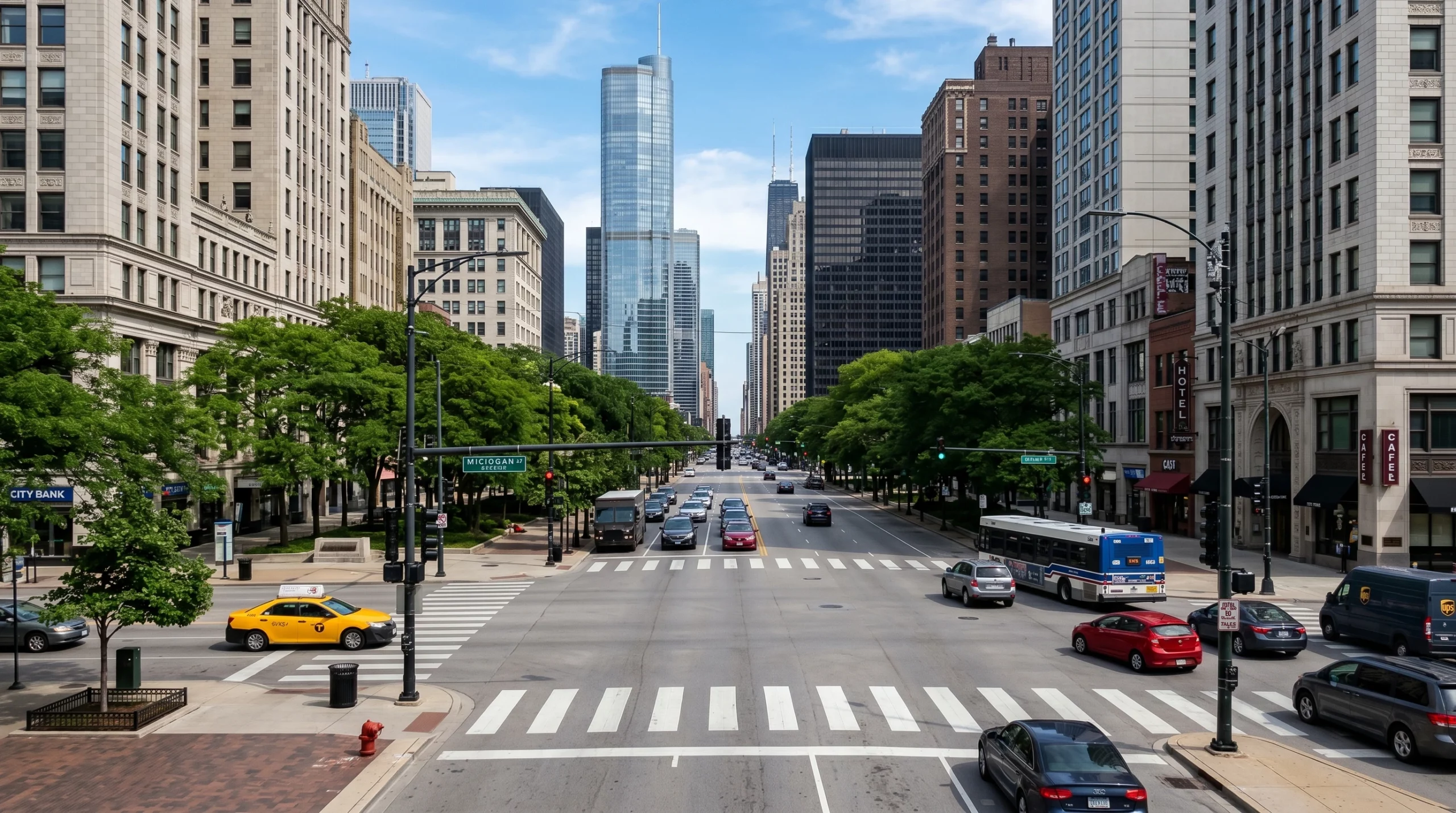
Urban environments are full of movement, people, noises, and hidden stories. Situational awareness in cities isn’t just something security professionals or city planners need; it’s useful for everyone. I rely on it every day, whether I’m exploring new neighborhoods, waiting for my train, or just walking to a corner store. Being tuned in to what’s happening around me lowers my risk of problems and helps me enjoy the energy of the city with fewer surprises. This article runs through the basics of reading your urban environment and gives you some handy tips to practice your own urban situational awareness daily.
The Building Blocks of Urban Situational Awareness
Urban situational awareness is about picking up on cues from your environment so you can spot changes, predict what might happen next, and make smarter choices. It’s really important whether you’re concerned about personal safety, avoiding time-wasting delays, or just trying to find the quickest coffee line during rush hour.
The idea isn’t to be paranoid or tense; it’s just about being present. Cities have their own rhythms and behaviors that, once you notice them, help you feel more comfortable and make better decisions.
Urban environments are naturally complex, with a mix of locals, visitors, and unpredictable events. Traffic surges, construction zones, and even scheduled parades or protests can all affect your path. Once I started noticing these patterns, I spent a lot less time feeling lost or startled by sudden crowds. For example, noticing police officers setting up barricades ahead can hint at an upcoming parade or demonstration, giving you a heads-up to reroute early or avoid the area if possible.
Getting Started: Simple Habits for Urban Awareness
Paying attention to your environment gets easier with practice. I start with these basic habits to stay sharp and up to speed, no matter the time of day:
- Keep Your Head Up: Looking ahead (and not at your phone) helps spot unusual activity or obstacles early. Even scanning above shop awnings or at second-story windows can reveal movement or unexpected activity, from window maintenance to parties inside.
- Use All Your Senses: Sounds, smells, and even the “feel” of a place can give away useful information, like construction noise or concert crowds up ahead. Paying attention to the scent of food trucks or fresh asphalt can also signal a change in the usual foot traffic or point to roadwork.
- Glance Around Regularly: A quick look over your shoulder or at reflections in shop windows can give you extra information without making it obvious you’re checking for anything specific. This technique is especially handy in busy settings or unfamiliar places.
- Notice Groups and Crowds: Are people rushing away or gathering unusually in one spot? That can signal an event, emergency, or simply a food truck gathering a lunch crowd. Noticing these clusters helps you avoid bottlenecks or even stumble upon something interesting yourself.
Mastering these basics is the easiest way to catch important cues before you’re caught off guard. It’s not about being on edge—just a relaxed kind of readiness and being willing to respond if needed.
A Quick Guide to Reading Your Urban Environment
Developing solid situational awareness is a bit like learning a new skill, and the more you practice, the better you get. Here are practical steps I use daily to stay dialed in on city streets:
- Survey the Scene: When entering a new area, such as a building, subway station, or busy street, I take a moment to look for exits, cameras, and any security or staff nearby. Checking who else is around, from local workers to street musicians, can help too.
- Map the Usual Patterns: Over time, I learn which areas are typically busy, which streets tend to empty out late at night, and how businesses in an area open and close. Noticing when things feel “off” becomes easier—maybe a normally bustling cafe is suddenly closed or boarded up, for example.
- Stay Aware of Escape Routes: Knowing which doors, gates, or safe spots are nearby gives me options if something goes sideways. I sometimes mentally note where the nearest open business is, just in case I need help fast.
- Monitor Body Language: Paying attention to how people move, where their attention is, and if anyone seems unusually agitated or hyperalert helps me read the room (or subway car) with more confidence. Someone anxiously pacing or repeatedly glancing over their shoulder can signal that something out of the ordinary is happening.
- Trust My Gut: If something feels off—even if I can’t explain why—I don’t ignore that sensation. Most of the time, it’s worth pausing or choosing a different path. Trusting your gut also means not forcing yourself into situations just because you’re in a hurry.
These habits blend into each other throughout my day, and they work in nearly any public space, from airports to pop-up markets. Sometimes, I practice by playing little games, like spotting the quickest line at a cafe or timing crosswalk signals to avoid waiting longer than necessary.
Challenges to Watch Out For When Navigating City Life
Unexpected hurdles are part of city living, but a bit of awareness makes most of them more manageable. Common obstacles in practicing situational awareness include:
- Information Overload: Cities are noisy, visually cluttered, and packed with distractions. Filtering useful from useless information is an ongoing challenge, especially when new advertising billboards and flashing signs compete for attention.
- Distractions (Especially Digital Ones): Texting while walking is a classic way to miss something important, like a new pothole or a cyclist zipping past. Overuse of earbuds or headphones can also isolate you from auditory cues like emergency vehicles or announcements.
- Complacency: If you follow the same route every day, it’s easy to zone out. I shake up my routine occasionally, just to stay sharp and catch fresh details, like new street art or an unfamiliar vendor.
- Unpredictable Weather: Downpours, icy sidewalks, and heatwaves not only change traffic and crowds, but they also impact people’s moods and reactions. Noticing how a sudden rainstorm affects pedestrian movement can make you better prepared for quick changes.
Managing Information Overload
Trying to spot worthwhile cues on a busy street can feel overwhelming. When I feel sensory overload, I focus on “anchors,” like stores, main intersections, or bus stops, to reorient myself. Picking a few points of reference keeps me grounded if things start to blur together. It also helps to pause and take a breath, mentally resetting before moving on if the scene is especially hectic.
The Risk of Digital Distractions
Phones block out so much of the surrounding world. I set my device to vibrate and check messages only at safe spots, such as building lobbies or park benches, not while weaving through crowds or crossing streets. It’s a surprisingly easy improvement for anyone. Reducing screen time in public helps keep your attention on your route and surroundings—and can help you spot friends, too!
Routine Can Blindside You
After enough days on the same route, it’s tempting to switch to autopilot. I remind myself to check for new details and practice reading the crowd, even if it’s just during part of my walk. Staying present helps catch changes quickly, like an unexpected detour or street performance. Sometimes, choosing a different block or leaving five minutes earlier reveals a whole new side of the city you might otherwise miss.
Advanced Urban Awareness: Tips for Sharpening Your Skills
Once you’re hitting the basics, there are some simple ways to step up your game and stay extra sharp, especially if you’re concerned about safety or just want to feel more at ease in different neighborhoods.
Mental Mapping: Learning the general grid, key landmarks, and public transport routes helps minimize confusion, especially when dodging unexpected closures or busy events. Making a mental map of emergency exits and reliable gathering spots, like 24-hour stores, can be helpful at night or in crowded areas.
Crowd Psychology: Watching how crowds move can be pretty useful. Spotting surges (like rush hour) or sudden dispersals (everyone rushes to one exit) can tip you off to what’s happening, even before you see or hear the cause. Sometimes, I’ll pause just to watch the flow of people and try to guess what’s coming up—like a late subway train or festival letting out.
Environmental Oddities: Noticing things out of place—like unattended packages, blocked doors, or people loitering in strange locations—is an easy way to avoid sticky situations or know when to move away from trouble. If a normally bustling alley is suddenly empty, I take extra care or pick a different route.
Situational Planning: Knowing where to get help—like locating the nearest hospital, police station, or even a reliably open business—is super important if you’re in a new area. I tend to look this up before heading somewhere unfamiliar, saving the location on my phone or writing it down.
Brushing up on these skills doesn’t just improve your personal safety; it also makes you feel more confident exploring new parts of any city. The more you train yourself to notice details and patterns, the less overwhelming city life feels.
Tools and Tech That Can Boost Your Urban Awareness
There’s plenty of old school wisdom to reading the streets, but a few modern tools really do help. Here’s what I personally find really handy:
- Navigation Apps: Google Maps and Citymapper aren’t just for lost tourists; they update you on traffic jams, public transport issues, and even local business reviews in real time. Using these tools before leaving home gives a realistic sense of what’s happening outside.
- Community Alerts: Neighborhood apps like Nextdoor and Citizen share info on local hazards, suspicious activity, or even temporary road closures. Clicking through these before leaving the house can help prevent surprises, and you might even stumble upon a street fair or pop-up event.
- Weather Apps: Instant weather updates mean fewer ruined plans or getting stuck without an umbrella when rain sneaks in. Checking hourly forecasts you can adjust your route to avoid flooding or icy patches.
- Noise Cancelling Headphones: I use these while commuting but switch them to “transparency mode” or keep one ear open when walking busy streets; hearing what’s around me is part of staying alert. Some models are designed specifically for urban life, blending sound quality with safety by filtering car horns or loudspeaker announcements in real time.
Combining classic skills with modern tech gives you a real edge. Whether you use apps mainly for avoidance or to check out events as you explore, the right mix depends on your needs and comfort level.
Frequently Asked Questions
People often ask about the real-world use of situational awareness in cities. Here are a few questions I hear a lot:
Question: How do I practice situational awareness without feeling anxious?
Answer: It’s about relaxed focus, not stress. Start small—notice exits, people, and traffic flow. Over time, it becomes second nature without increasing anxiety. You can also set gentle reminders for yourself, like picking one new thing to notice each day.
Question: Are there tools for planning safer urban routes?
Answer: Apps like Google Maps can show well-lit, highly trafficked streets for walking at night. Community alert apps share recent incidents to help plan paths wisely. Look for areas with high pedestrian activity, open businesses, and frequent public transit for added comfort.
Question: Does situational awareness help with non-safety issues?
Answer: Definitely. Knowing how events or traffic patterns change daily life can help you avoid late trains, closed cafes, and other everyday hassles. Being present also lets you stumble upon hidden gems, like new street art or a pop-up food stall, as you’re out and about.
Why Urban Awareness Matters Every Day
Reading your urban environment is part skill, part habit. Whether you’re looking to stay safe, avoid crowds, or just make your daily commutes smoother, situational awareness really makes a difference. Every stroll, ride, or run to the store is a bit easier and feels less chaotic when you know how to pay attention to the world around you. The more you practice, the more confident—and comfortable—you’ll feel wherever city life takes you. Stay engaged, keep learning, and treat each city street as a chance to get better at reading the world around you.