Urban survival throws a lot of curveballs, and it’s not always about wilderness skills or prepping for the wild. City life brings its own set of challenges, and sometimes knowing how to keep yourself safe isn’t just helpful—it’s really important. I’ve spent a fair bit of time learning and practicing self-defense specifically suited for busy urban environments. Whether you’re walking home late, working odd shifts downtown, or just want to feel safer day-to-day, this guide covers some of the best self-defense techniques for urban survivors.
Why Self-Defense Matters in Urban Settings
Cities pack in a lot of people, movement, and unpredictability. I’ve seen how easy it is for everyday trips to suddenly feel risky, especially around crowded transit stations, parking garages, or quiet streets at night. Having a few self-defense techniques up your sleeve isn’t about expecting trouble at every turn. It’s about feeling prepared, confident, and knowing you have real, practical options if something gets weird.
Urban environments come with unique self-defense issues, too. Tight spaces, limited exits, and large crowds can change how you respond. While statistics show that cities generally report higher rates of some street crime compared to rural areas (Bureau of Justice Statistics), awareness and preparation can lower your chances of being caught off guard. Trusting your instincts and practicing these techniques can make a real difference in keeping yourself safer. Plus, learning more about your city’s layout—like where to find 24-hour stores or police call boxes—can really give a boost to your peace of mind. Every edge counts when it comes to staying secure in unpredictable urban scenarios.
Core Principles Every Urban Survivor Should Know
Before getting into actual moves, it helps to nail down a few basics about self-defense in cities. Here’s what stands out to me after years of learning and teaching these skills:
- Avoidance Is Your Friend: Situational awareness helps you catch sketchy behavior early and steer clear before anything goes down.
- Use Your Voice: Sometimes a loud, firm “Back off!” or “I don’t want trouble!” can make someone think twice. Speaking up draws attention and can derail an attack before it starts.
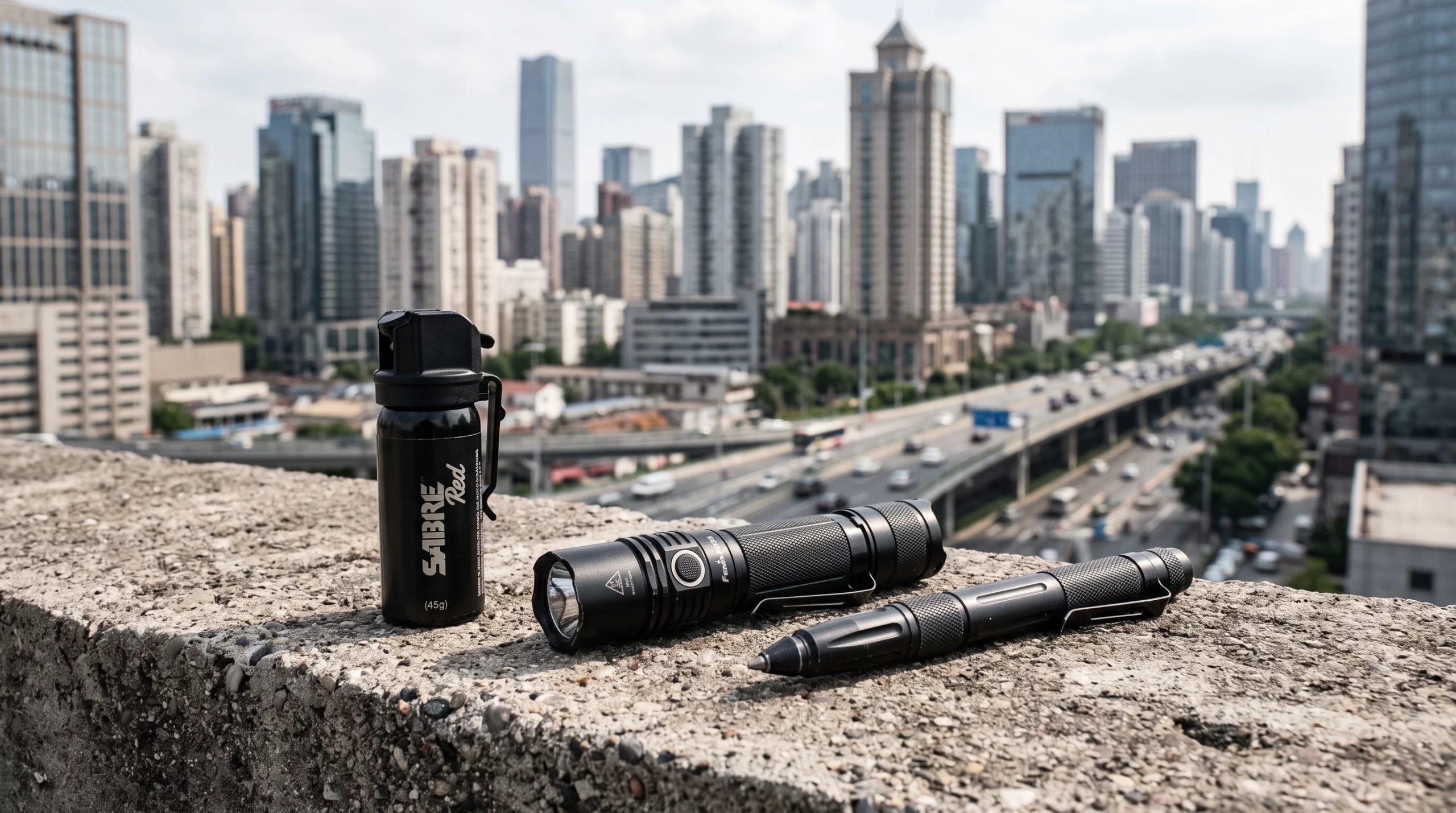
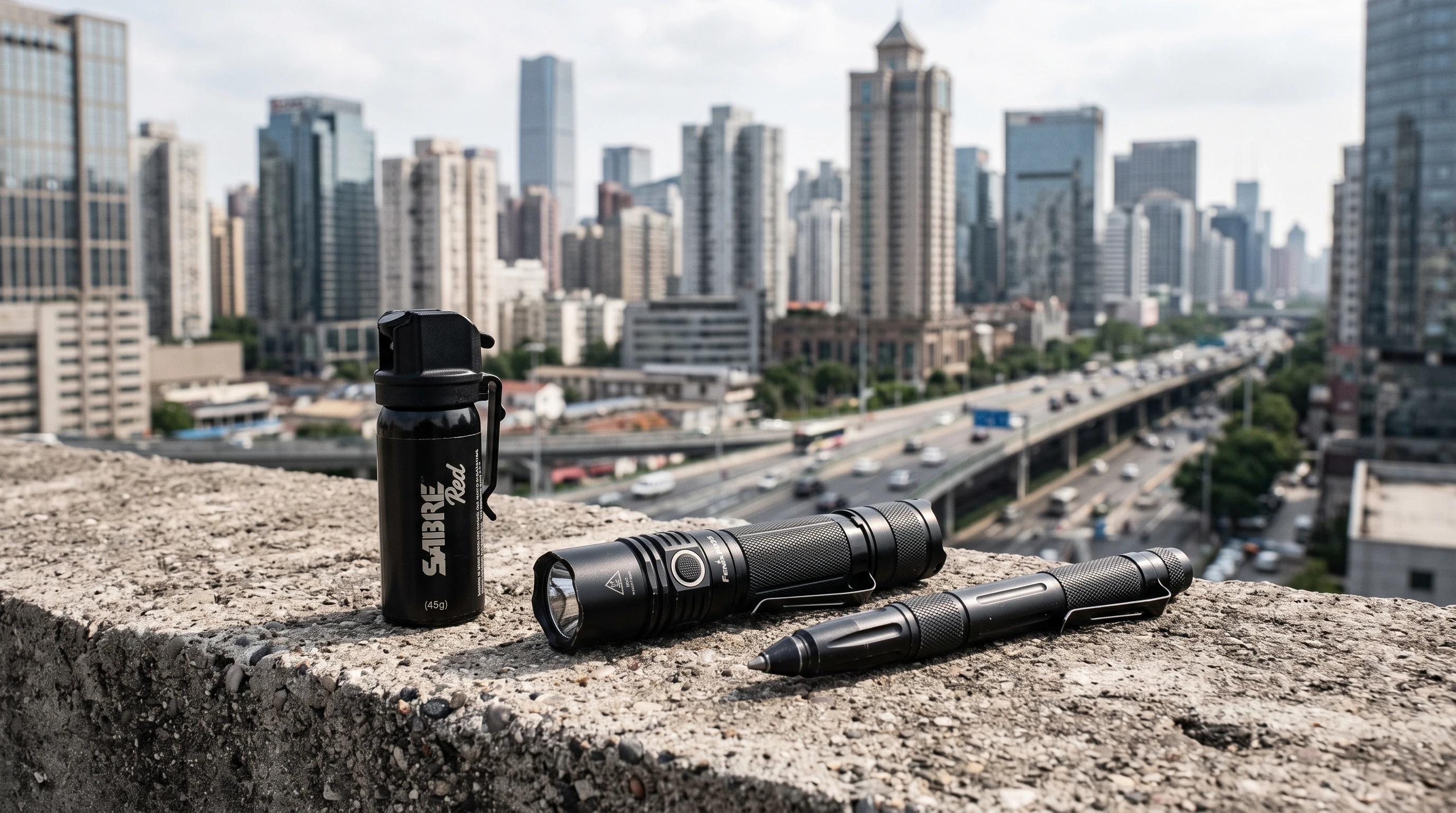
- Everyday Items Are Tools: A keychain, umbrella, bag, or even a flashlight can be used for defense. I keep a sturdy metal pen handy just for this reason.
- Escape Over Engagement: In an urban setting, your main goal is to break contact and get to safety quickly, not to fight it out if you don’t have to.
Focusing on these principles will help you build solid habits so you react quickly, even under stress. If you often move through the same areas, mentally picture routes or safe havens nearby. The more you game plan for “what ifs,” the more prepared you’ll feel when things get heated unexpectedly.
Basic Self-Defense Techniques for Urban Areas
Here’s a practical toolkit of moves and tactics I’ve found especially useful in city settings. Training these regularly, even at home, boosts your confidence and muscle memory. Self-defense isn’t just about fighting—it’s about using the environment and your awareness to avoid danger or get help faster.
- Wrist Release: If someone grabs your wrist, rotate your arm toward their thumb (the weakest part of the grip), and pull away sharply. This super simple move works for adults and kids alike.
- Palm Strike: Use the base of your palm to strike an attacker’s nose or chin. It’s safer than a punch and can still be very effective at creating space to get away.
- Elbow Strike: In tight spaces, elbows are one of your best close combat options. Drive your elbow backward or to the side into an attacker’s torso or head if they’re behind or next to you.
- Knee Strike: If you’re grabbed from the front, a quick, upward knee to the groin or midsection is often enough to break free.
- Foot Stomp: If an attacker is close and you have no room to swing, stomp down hard on the top of their foot. This sudden pain often makes them loosen their grip.
Practicing these moves with a partner or at a self-defense class helps a ton. Even just running through them alone can improve your reflexes in tough situations. Remember, staying flexible in your response is just as important—sometimes a good shout and backing away is all you need, while other times your hands or feet need to do more talking.
Using Urban Environments to Your Advantage
Cities are packed with obstacles and tools you can turn to your favor. My personal strategy always includes making mental notes of exits, obstacles, and people nearby. Urban environments provide unique props to play with—think about stairwells, revolving doors, even busy bus stops where an attacker might hesitate.
- Obstacles as Barriers: Park benches, cars, or even newspaper stands can help you create distance and block an attacker’s path.
- Light and Noise: Heading toward well-lit areas, busy streets, or groups of people increases your odds of finding help or scaring someone off.
- Improvised Shields: Items like backpacks, trash can lids, or even a thick coat can buy you precious seconds as shields or distractions.
Even a few seconds’ delay can make enough space for you to escape or shout for help. Get into the habit of “reading the room” wherever you go—think about what you could use if you needed to, just like noticing the emergency exit on a flight. These seconds saved could make a huge difference.
Personal Safety Gear for Urban Self-Defense
While I always focus on skills first, carrying a few basic safety tools is pretty handy, especially in big cities. The trick is to pick items you’re legally allowed to have and that won’t slow you down if you need to act fast.
- Pepper Spray: Compact, legal in most places, and easy to carry on a keychain or in a pocket. Always check local laws before buying or carrying.
- Personal Alarm: Super loud alarms can draw attention and may cause an attacker to rethink their approach.
- Sturdy Flashlight: A reliable, metal flashlight can light a dark path, double as an improvised weapon, and even temporarily blind an attacker long enough for you to get away.
Whatever tools you pick, practice getting them out and using them. Fumbling around in a panic slows you down. I’ve learned that practice makes all the difference—drill it into muscle memory so you’re ready when it counts. A good tip is to take time occasionally to check in on battery-powered devices to make sure they’re charged and ready.
Common Challenges and How to Overcome Them
- Adrenaline Freeze: Even with training, it’s easy to freeze from fear. Practicing scenarios with friends or at a local class helps you react faster and more instinctively.
- Panic in Crowds: Large groups can be just as intimidating as isolated streets. Focus on moving with the flow, keeping your eye on exits, and using your voice if you need help. I always remind myself that asking for help is not a sign of weakness. It’s a smart move.
- Legal Restrictions: Laws about self-defense gear change from city to city. Do a quick local search, or ask a law enforcement officer, so you know what’s allowed.
These challenges can feel overwhelming, but a little planning goes a long way in improving your confidence and safety. There’s no shame in taking five extra minutes every morning to review your gear and mentally run through some “what if” scenarios before stepping outside. You might also want to chat with neighbors, friends, or coworkers about safety in your area—when people share tips and stories, everyone becomes more aware and better prepared.
Improving Your Mindset for Urban Survival
Your mindset can often be as important as physical skills. I always try to stay alert and practice situational awareness, but I also don’t want to live in fear. Here are a few mental tricks I use daily:
- Visualization: Mentally walking through “What would I do if…” plays out potential scenarios, so your brain is primed to act if the need arises.
- Setting Boundaries: Be assertive; if someone’s making you uncomfortable, it’s okay to cross the street or speak up. Your comfort level matters more than being polite to a stranger who’s giving you weird vibes.
Starting simple meditations or mindfulness exercises can also help you stay calm under pressure—being relaxed but alert makes it easier to spot threats before they’re right in your face.
Real-World Examples of Urban Self-Defense
Stories stick better than statistics, so here are some situations where these self-defense techniques helped people just like you and me:
- Transit Surprise: A close friend of mine fended off a would-be thief near a subway entrance with a sharp palm strike and a shout, buying enough time for bystanders to step in.
- Elevator Escape: Someone I trained with used a personal alarm when followed into a parking garage elevator. The loud siren startled the pursuer and brought building security running.
Knowing a few moves and having some gear led to safer outcomes for both. I always feel more at ease when I remember examples like these. If you read local news or safety forums, you’ll notice that people who act decisively and confidently are much more likely to avoid injury and escape a bad situation unscathed.
Frequently Asked Questions
Newcomers to urban self-defense usually want to know a few key things right away. Here are some questions I get asked all the time:
Question: What’s the best self-defense move for absolute beginners?
Answer: I recommend learning the wrist release technique and practicing strong, assertive verbal boundaries. They’re simple and don’t require much strength.
Question: Do you need to be super fit to use these techniques?
Answer: Not at all! Most of these moves rely on using leverage, momentum, or surprise, not brute strength. Anyone can benefit from learning them.
Question: How should I practice self-defense safely?
Answer: Consider joining a local class or inviting a friend to practice simple moves with you. Even solo shadow practice builds muscle memory. Safety always comes first; if you’re unsure, find qualified instruction nearby.
Final Thoughts
Staying safe in the city is about a mix of awareness, practical techniques, and a little smart planning. You don’t need to become a martial artist overnight. Just knowing a few solid self-defense moves and keeping your wits about you goes a long way. Practice, trust your instincts, and remember that your safety is worth taking seriously every day. Take small steps now and you’ll feel a lot more secure the next time city life throws something unexpected your way.