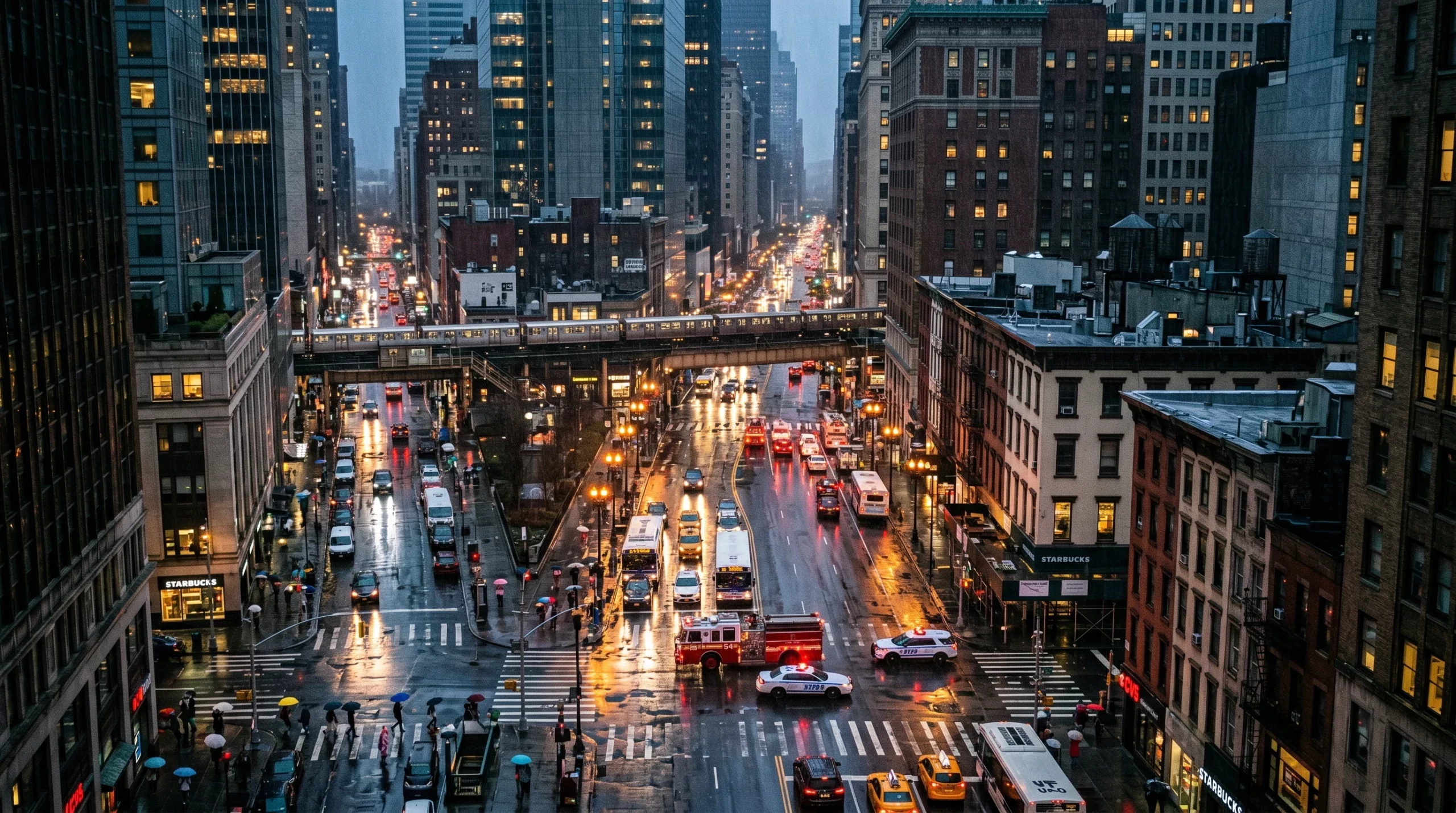
Living in or near a city means dealing with a unique set of challenges. Urban environments offer lots of conveniences, but they also come with hazards worth planning for. From natural disasters to infrastructure failures and everyday safety concerns, understanding these risks helps anyone living or working in a city feel more prepared and confident. Here, I’m walking through the main urban hazards and sharing down-to-earth tips for getting ready.
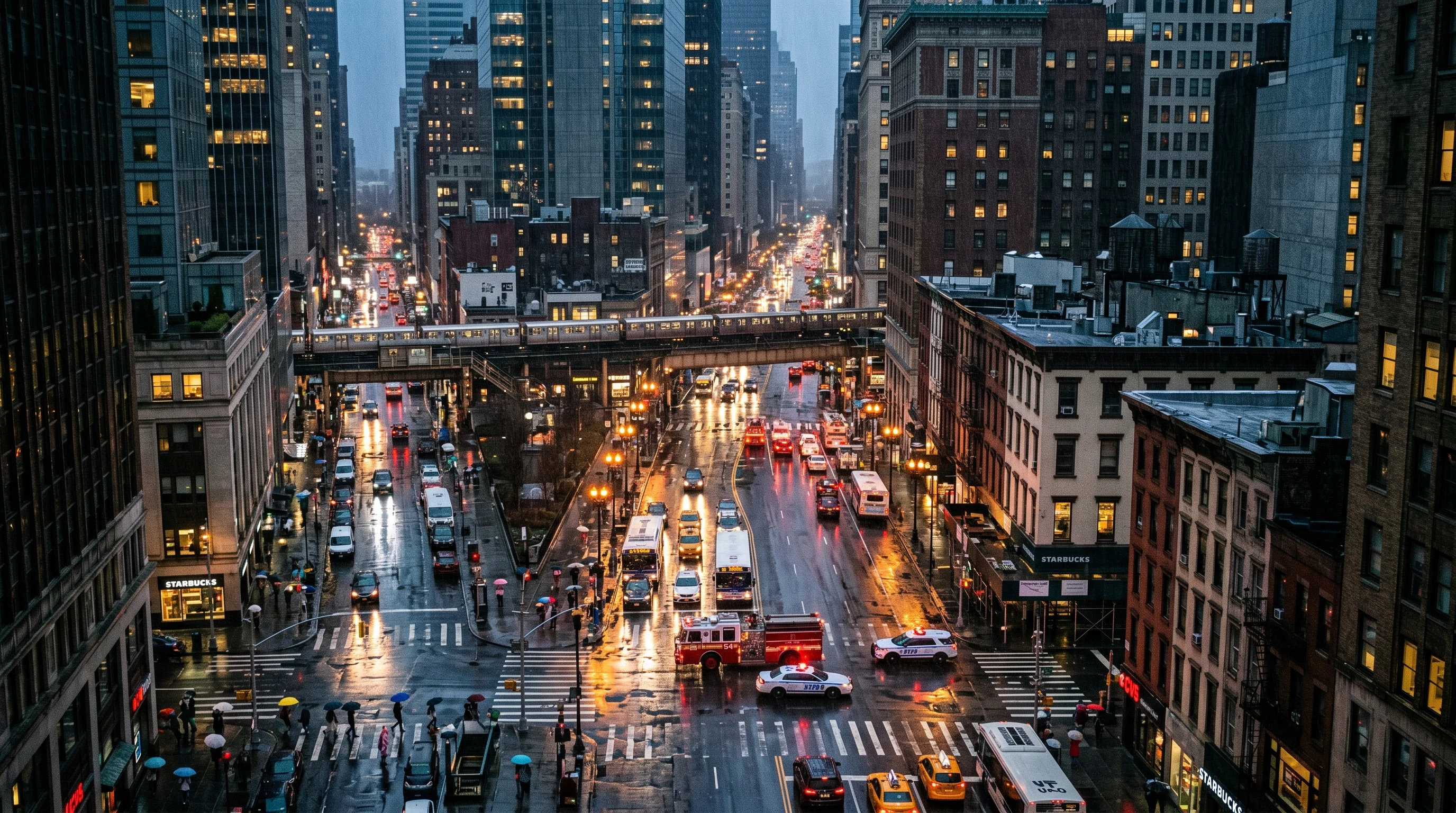
Types of Urban Hazards to Watch For
Cities pack a lot of people and systems close together, which means when something goes wrong, the effects ripple out quickly. While some hazards come from nature, others result from the very things that make city life possible, like power grids, water lines, or fastmoving traffic. Here are a few of the main types:
- Natural Disasters: Cities get hit by storms, heatwaves, flooding, and, depending on the area, earthquakes or blizzards. With so many folks sharing space, anything weather-related can create bigger problems than you’d see in more rural settings.
- Infrastructure Failures: Power outages, water main breaks, gas leaks, and sewer issues can bring daily life to a standstill. When these systems fail, even simple routines like cooking, commuting, or staying cool become tougher.
- Fire Hazards: Apartment buildings and older structures might have outdated wiring or crowded conditions, which can make fires more likely and more dangerous.
- Crime and Public Safety: While not every city faces high crime, theft, vandalism, and public disturbances are risks nobody wants to ignore.
- Hazardous Materials: Cities rely on lots of chemicals for everything from cleaning to public transit, and accidents can put entire neighborhoods at risk.
Building a Practical Urban Emergency Kit
Having a kit ready saves time and worry if something happens. Urban kits have a few things in common with those for rural living, but some details make a difference when you’re in a city:
- Water: Keep enough bottled water on hand for at least three days per person and pet. Pipes sometimes stop working, and stores can run out quickly after storms or outages.
- Food: Choose shelfstable items that don’t need much prep or heat. Think energy bars, canned goods, instant soups, and treats you actually like.
- Flashlights and Batteries: Outages are pretty common in storms or heatwaves. Headlamps are super useful for walking around safely in the dark.
- Chargers: Portable battery packs or solarpowered chargers can help keep your phone alive when the power’s out.
- Basic Tools: A multitool, wrench, or pliers can let you turn off utilities or do quick fixes. A whistle is handy for getting someone’s attention.
- Important Documents: Copies or photos of identification and insurance, along with some cash, often come in clutch if ATMs and card readers are down.
- Dust Masks and Sanitizers: Fires or building collapses make air quality a big deal. A small supply of masks and cleaning supplies helps you avoid getting sick.
Consider packing extra batteries and a small radio to stay updated on news if your phone doesn’t work. Reflective vests or glow sticks can make you more visible if you need to move about at night during an outage or evacuation, especially in crowded areas. If you have specific dietary needs, stock extra food accordingly. Compact first aid kits and basic medicines like pain relievers or allergy pills can be really helpful when pharmacies are closed.
Everyday Habits for Urban Preparedness
Besides stocking up on supplies, everyday habits go a long way in making city life safer and smoother if trouble hits. Here are ways I keep myself ready without overthinking it:
- Keep Shoes and a Flashlight Near the Bed: If there’s a fire alarm or blackout at night, you don’t want to scramble in the dark.
- Get to Know Building Exits: Whether you live in an apartment or work in an office, knowing at least two ways out is really important.
- Sign Up for Local Alerts: Cities usually have free systems to text you updates about weather, road closures, or emergencies. It only takes a minute to register.
- Charge Devices Overnight: I always plug in my phone before bed since you don’t get a heads-up before an outage.
- Share a Safety Plan with Family or Roommates: Talk about where you’ll meet if you get separated or how to reach each other when cell signals get spotty.
- Keep Small Bills Handy: Sometimes during emergencies, small bills are more useful than cards, especially if digital payment systems go down. Tuck a little cash away in your kit or wallet just in case.
- Always Check Public Transit Updates: Disruptions to buses or trains are common during weather events or citywide emergencies. I make a habit out of checking transit apps or websites before heading out, so I can plan an alternate route if needed.
Consider making copies of keys for trusted friends or neighbors in the building. Having a backup can be a lifesaver if you’re locked out during a crisis. Practicing a quick evacuation drill once every few months, even if it feels a bit silly, can help everyone in your household react faster if the real thing happens.
Common Urban Hazards and Simple Ways to Prepare
Each type of hazard calls for its own type of readiness. Here’s my take on how to get prepped for some of the most common urban issues:
Power Outages
Blackouts happen more often than people expect. I keep my devices charged, a couple of LED lanterns within reach, and know where my circuit breaker is just in case. Having a stash of cold packs and easy-to-eat snacks helps if the fridge shuts off. Consider freezing bottles of water ahead of storms to keep your freezer colder for longer and provide extra drinking water as it melts.
Flooding and Heavy Rain
If you’re on a low floor or near a river, floods are a concern. Store valuables or important documents higher up. I have waterproof bags on hand for stuff like my laptop and keep my shoes by the door when heavy rain is in the forecast. It also helps to check weather alerts daily, especially during storm seasons. Move your car to higher ground if there is a risk of street flooding, and avoid basements during bad storms.
Extreme Heat
Heatwaves can be brutal in the city. Blackout curtains, fans, and lots of water are my go-tos. Checking in on elderly neighbors or folks living alone helps build a sense of community, too. Carry a small cooling towel in your bag, and visit public spaces like libraries or malls when your home gets too hot. Dress in loose, light clothing and avoid strenuous activity outside during the hottest parts of the day.
Fire Safety
Test smoke alarms regularly and know how to use a fire extinguisher. If your building has a sprinkler system or emergency exits, take a few minutes to learn about them. For those with pets, keeping a leash or carrier ready makes evacuating faster. Create a plan to check doors for heat with the back of your hand before opening, and keep an emergency contact list in your wallet.
Gas Leaks or Chemical Exposure
Natural gas leaks or chemical spills call for getting fresh air, fast. Know how to spot the signs (rotten egg smell, hissing sounds) and call the appropriate number. If you live near industrial sites or major roads, having duct tape and plastic sheeting around can help seal doors or vents in rare shelter-in-place situations. Learn where your gas shutoff is if you have natural gas in your building, and only use it if authorities advise.
Special Considerations for Certain City Residents
Not everyone experiences urban hazards in the same way. Here are a few extra ideas for folks with specific needs:
- Pets: Extra water, food, and a safe carrier go a long way for dogs or cats. Marking your window with a pet alert sticker lets first responders know animals might be inside.
- Kids: Keeping games or comfort items in your emergency kit helps little ones feel safer if you’re stuck inside for a while. Include ear protection if loud noises are likely during emergencies, as kids can be sensitive to sirens or alarms.
- Mobility or Medical Needs: Make a note of accessible exits and elevators (and what to do if they’re not working). Backup supplies and a list of critical medications stay in my kit. If you use medical equipment that needs power, check with building management about generator access, and consider registering with local emergency services for additional support.
Quick List of Urban Safety FAQs
People have lots of questions about city preparedness. Here are a few I get most often:
Question: What’s the first thing to do in a city emergency?
Answer: Get information from local alerts or news before taking action. Staying up to date can help you avoid drawn-out commutes or crowded areas.
Question: How much food or water do I really need in an apartment?
Answer: Aim for at least three days per person, but in a small place, even a couple of gallons of water and a few meals’ worth of snacks make a difference.
Question: What about helping neighbors?
Answer: A quick check-in with neighbors, especially older adults or new arrivals, means you all feel safer. Being part of a community makes cities feel less stressful when stuff goes wrong.
Question: How can I keep track of medical supplies if I have unique health needs?
Answer: Keep an updated list of medications and dosage instructions tucked inside your kit or stored in your phone. If possible, have a backup supply of important medicines, and check expiry dates regularly. Ask your pharmacy if they can provide an extended supply for emergencies.
Real-World Examples of Urban Hazards
Building codes and city planning have gotten better, but real-life events keep showing why it’s smart to be ready. I think back to Hurricane Sandy in New York City when millions lost power, or the winter storm in Texas that shut down streets and water for days. In both cases, folks who had emergency kits and a plan fared a lot better. Keeping some supplies on hand pays off even if you never need to use them. During the California wildfires, air quality in big cities dropped sharply, and people who had masks, air purifiers, and knowledge of evacuation routes managed to stay healthier and less stressed. Even if you believe big disasters are rare, small emergencies like elevator outages or temporary plumbing problems happen all the time in the city.
Takeaways for Urban Readiness
Staying prepared in a city isn’t about being scared, it’s about living smart and staying comfortable, no matter what pops up. Having supplies, knowing your building’s evacuation routes, and staying connected to neighbors make every day a little safer. Taking the time to share knowledge with friends and practice quick routines means you’ll be less worried and ready to handle whatever the city throws your way. The more you prep ahead of time, the easier it is to keep up daily life when surprises come along, making urban living both safe and enjoyable.